The Essential Reading List for Orton-Gillingham Teachers and Tutors
Share:
Today, I am providing you with a list of professional books that are truly invaluable for Orton-Gillingham teachers and tutors. Whether you are just starting out on your journey with writing Orton-Gillingham lesson plans, in the middle of a practicum, starting a private practice, working in an elementary school, or a seasoned educator who’s used O-G methodology for years, this is a list you will want to refer to repeatedly over time.
I created it with several considerations in mind. First, I based it on the books my own trainers required us to read. Second, I sought titles from my professional development over the years. Third, I queried the members of my private FB group for Orton-Gillingham teachers and tutors to see if there were any that they would recommend in addition to what I already had. Warning, this list may seem deep in the wallet. Do not feel like you have to purchase all of these, especially in brand-new condition. Borrow, or find used copies. It IS nice to have some of your own, however, because you’ll want to refer back to them… frequently.
Learn more about the Orton-Gillingham approach. Listen to season 2, episode 6 of the Together in Literacy podcast: Q&A About OG!
Here are 15+ Books for Orton-Gillingham Teachers and Tutors:
Note: There are several other resource books I did not add to this list, but I plan to include those in a separate post.
(Some of the following links are Amazon affiliate links.)
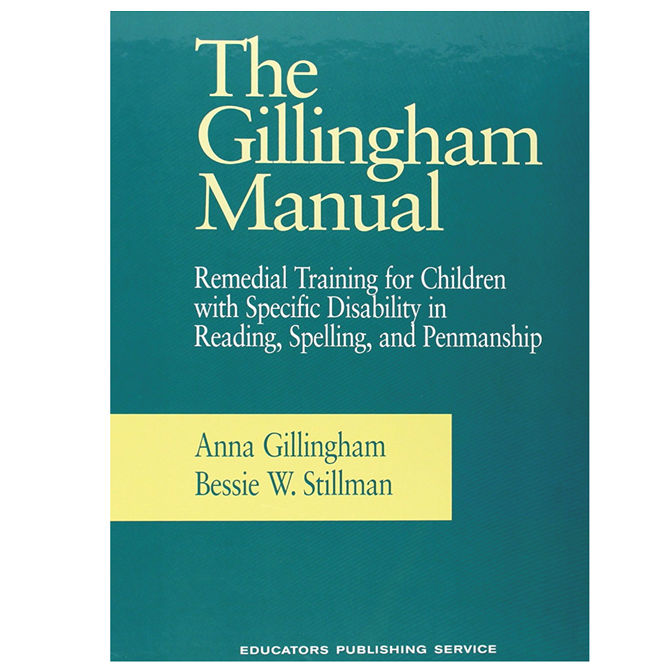
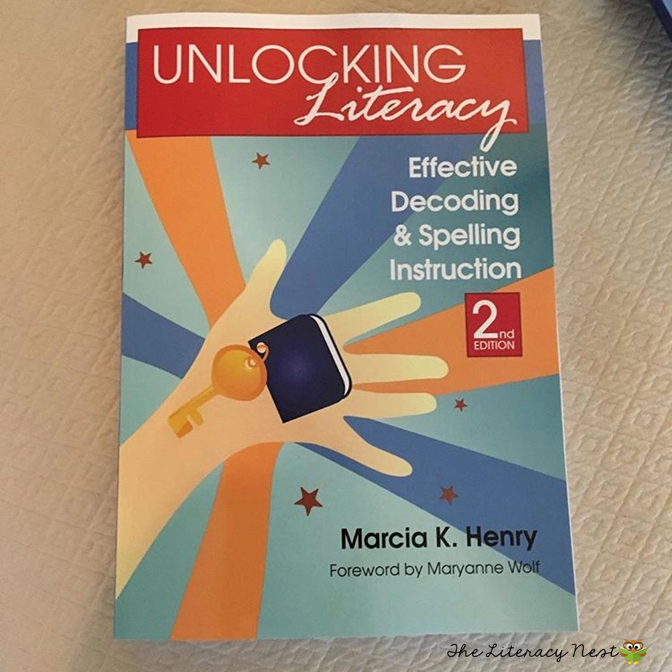
Consider this required reading for anyone seeking to become trained in the Orton-Gillingham approach. It will guide you through the principles of O-G, lesson planning, and word lists.
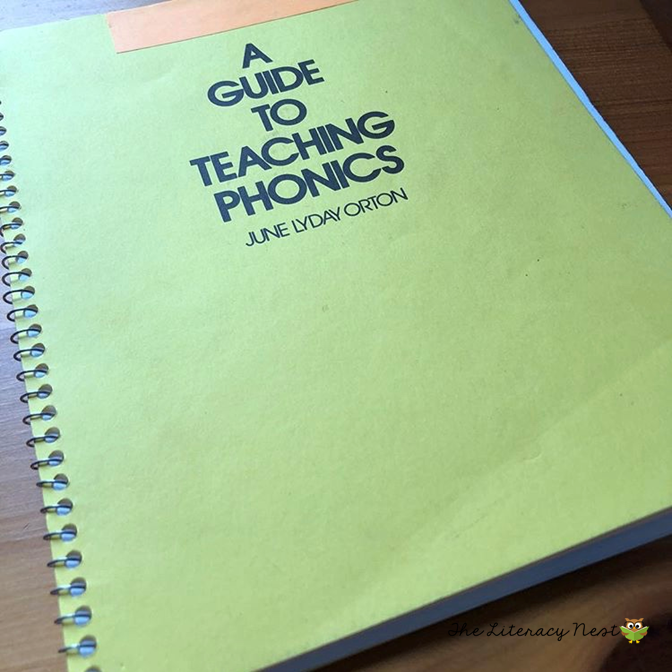
2. A Guide To Teaching Phonics by June Lyday Orton (Dr. Samuel T. Orton’s wife)
June wrote this to be used as a companion to anyone who is trained in O-G and looking for guidance with lesson planning.
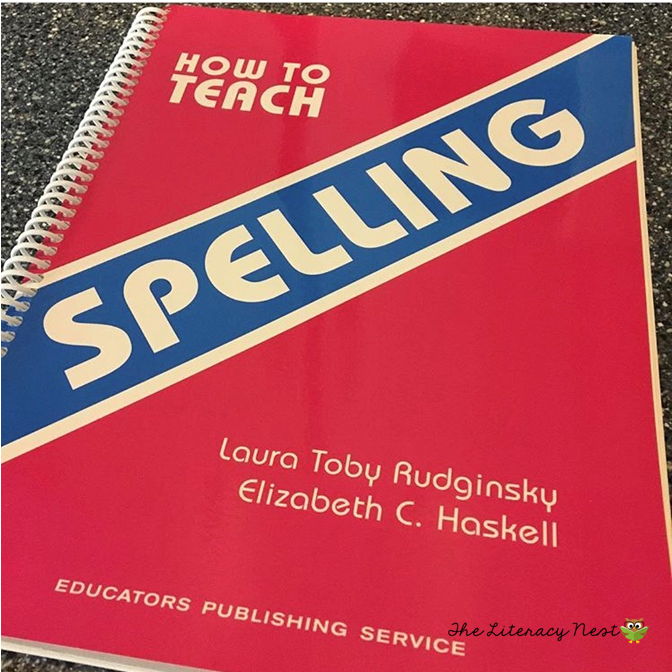
I keep this book handy while lesson planning for my students. A word list is included along with a list of resources to accompany a particular lesson. You will need to purchase additional books as suggested in this book to have access to all the suggested pages the author includes.
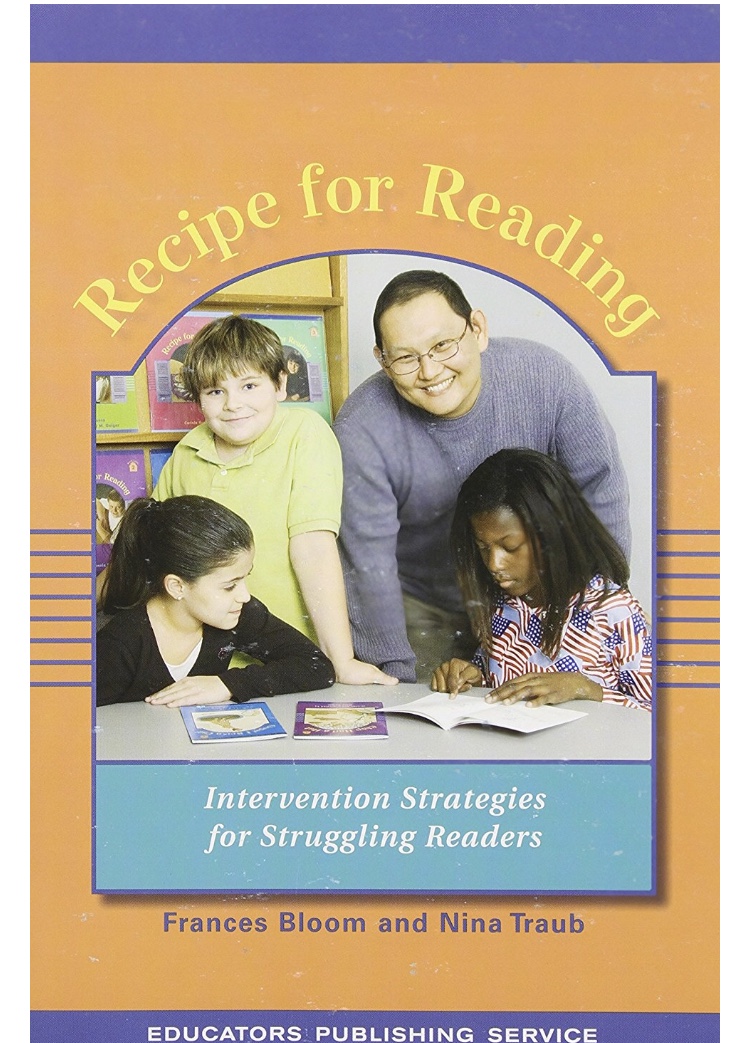
Used in some Orton-Gillingham training sessions, Recipe for Reading is a handy resource with easy-to-follow lesson plans that follow an Orton-Gillingham progression. Words and sentences are included.
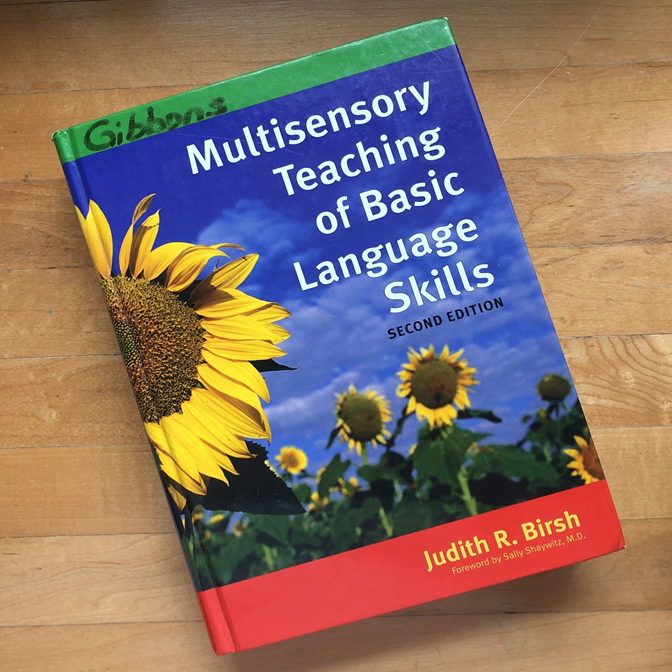
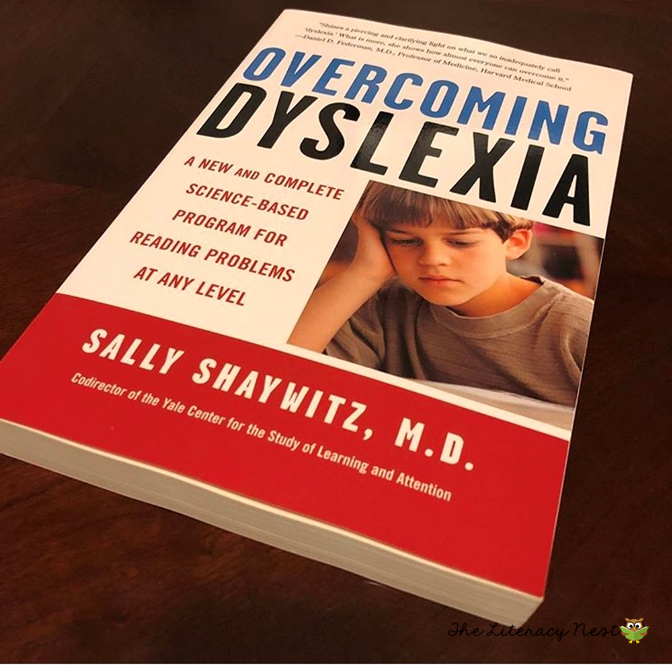
The groundbreaking work of Dr. Sally Shaywitz revolutionized dyslexia research with fMRIs of a dyslexic brain. Shaywitz outlines which reading programs and instructional approaches are best for dyslexic students
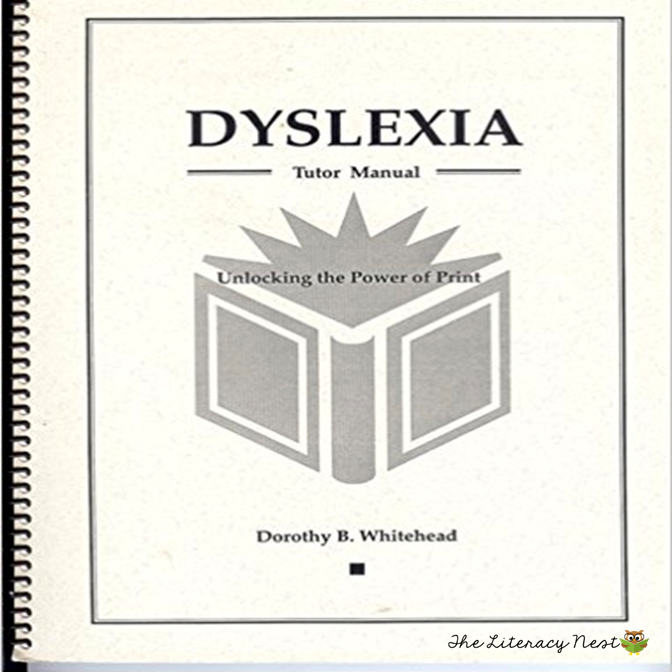
10. Unlocking The Power of Print by Dorothy Whitehead
A resource guide for Orton-Gillingham lesson planning assistance
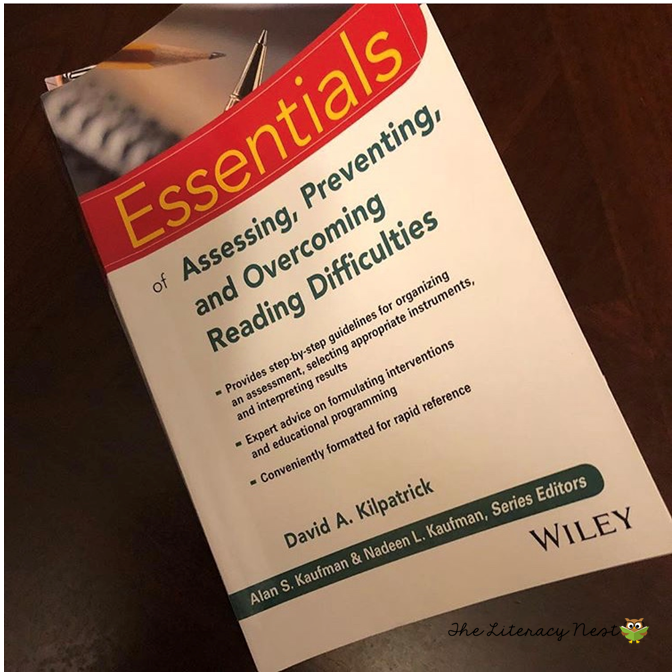
Presenting the latest research in literacy, Kilpatrick presents the need for deep intervention in phonological awareness and orthographic mapping for struggling readers.
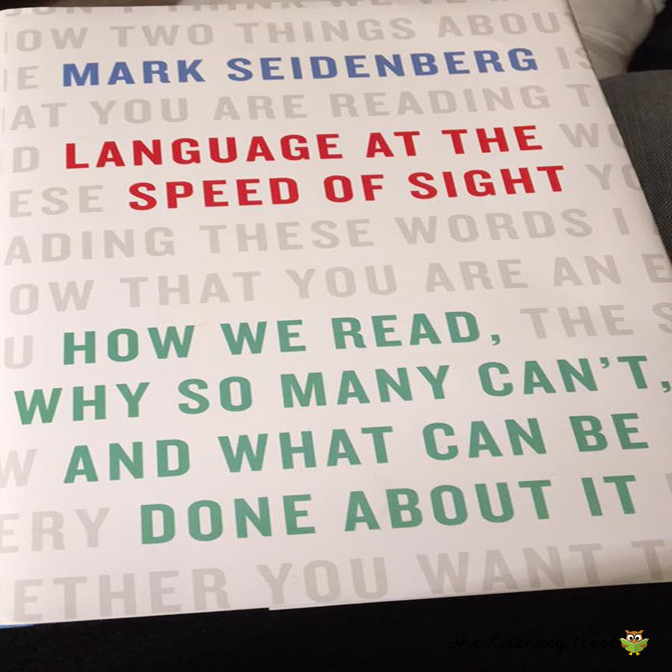
Why do we have so many kids failing at reading in the US? Using the latest research in cognitive science, Seidenberg explains the disconnect we see between the research of reading and what happens in the classroom.
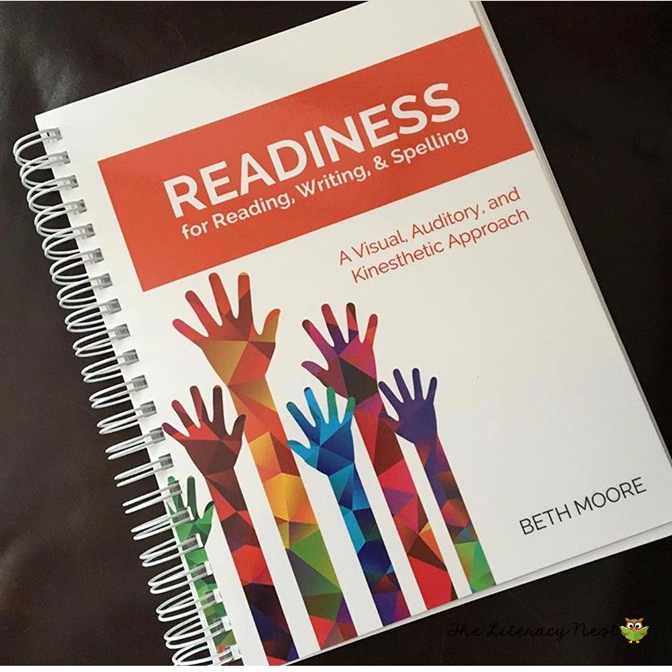
I had the pleasure of seeing Beth Moore at an AOGPE conference last year. Beth provides an extensive guide to multisensory instruction with our youngest learners.
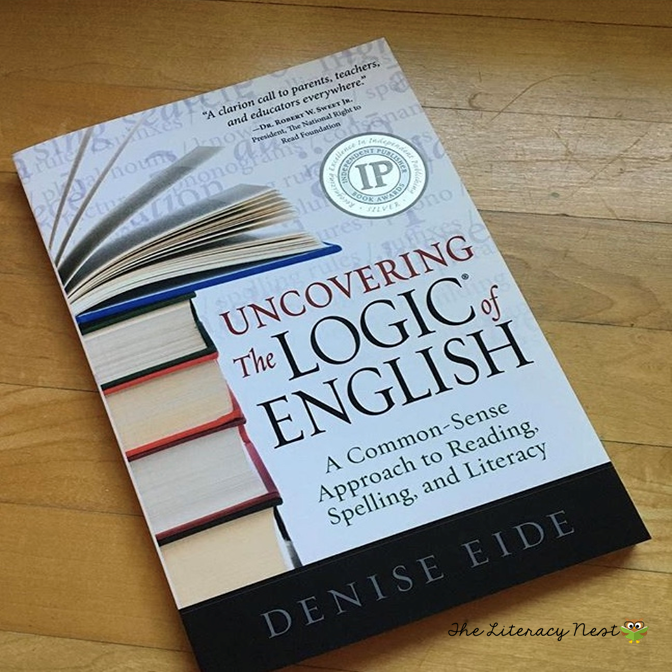
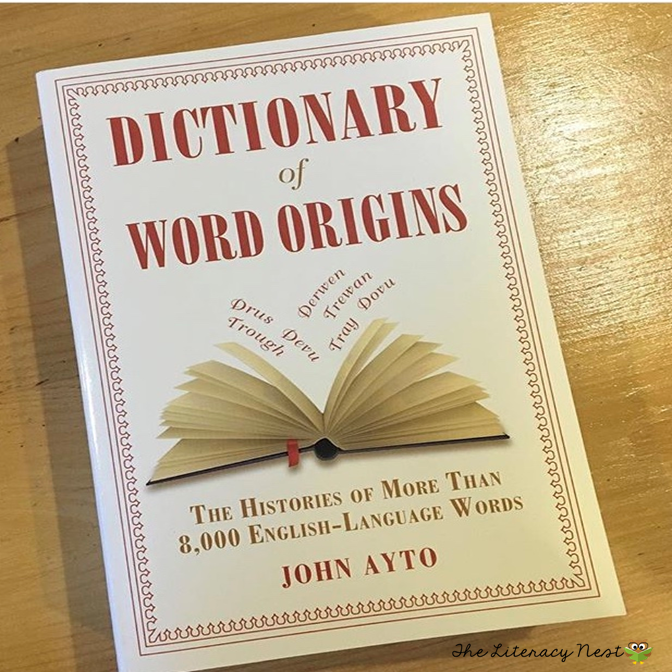
I keep this book handy when I teach O-G. Instead of simply saying a word is an exception to a rule or practicing learned words, we look up its etymology to find out why a word has that spelling. The English language is not as crazy as it seems and can be quite predictable. It’s up to us to show students that.
I hope you have found this list of books for Orton-Gillingham teachers and tutors useful as you build your professional library. I’ll have more suggestions in future posts!
Are you looking for professional development that will help you better support your students with dyslexia? The Literacy Nest has a membership for that…
Building Readers for Life Academy is a monthly membership program that empowers educators AND families. It dives into structured literacy and strategies for ALL learners. With BRFL Academy, you’ll learn what it takes to help EVERY student become a reader for life.
Dictation is an important part of each Orton-Gillingham lesson. It is when everything comes together. Dictation is the You Do portion of the gradual release…
Every year around this time, the same question comes up: how do we prevent the “summer slide”? But for struggling readers, especially students with dyslexia,…
By keeping your focus on promoting independence, it encourages the gradual release of responsibility. This is a developmentally appropriate way to teach. Building independence during…
Explaining Orton-Gillingham to families isn’t always easy. It can be a challenge to avoid using a lot of technical language and jargon when talking about…
One Comment
The article was up to the point and described the information very effectively. Thanks to blog author for wonderful and informative post. By – Brandon Steven





The article was up to the point and described the information very effectively. Thanks to blog author for wonderful and informative post.
By – Brandon Steven