
How Teaching Latin Roots Strengthens Reading and Vocabulary
You know those little “aha” moments that teachers love to see happen? Like when a student runs into a new word, hesitates for a second, spots a familiar root, and suddenly everything makes sense. Their face brightens, they decode with confidence, and they understand the text on a deeper level. Moments like that show just how powerful teaching Latin roots can be.
A Strategy Teachers Can Use Every Day
Latin roots give students a strong foundation for decoding, spelling, vocabulary, and comprehension. Even younger readers run into these roots in storybooks, science passages, and academic vocabulary. When students learn that tract means “pull,” words like attract, subtract, or traction feel much easier. They stop guessing and start using meaning to figure out unfamiliar terms, which boosts their reading confidence in a real, lasting way.
Many teachers want to bring morphology into grades 2–4. However, it can be tricky. Many morphology resources are designed for older students or rely heavily on worksheets. This can feel overwhelming to younger students. For younger readers, it’s easier to use kid-friendly text that’s short, clear, and meaningful.
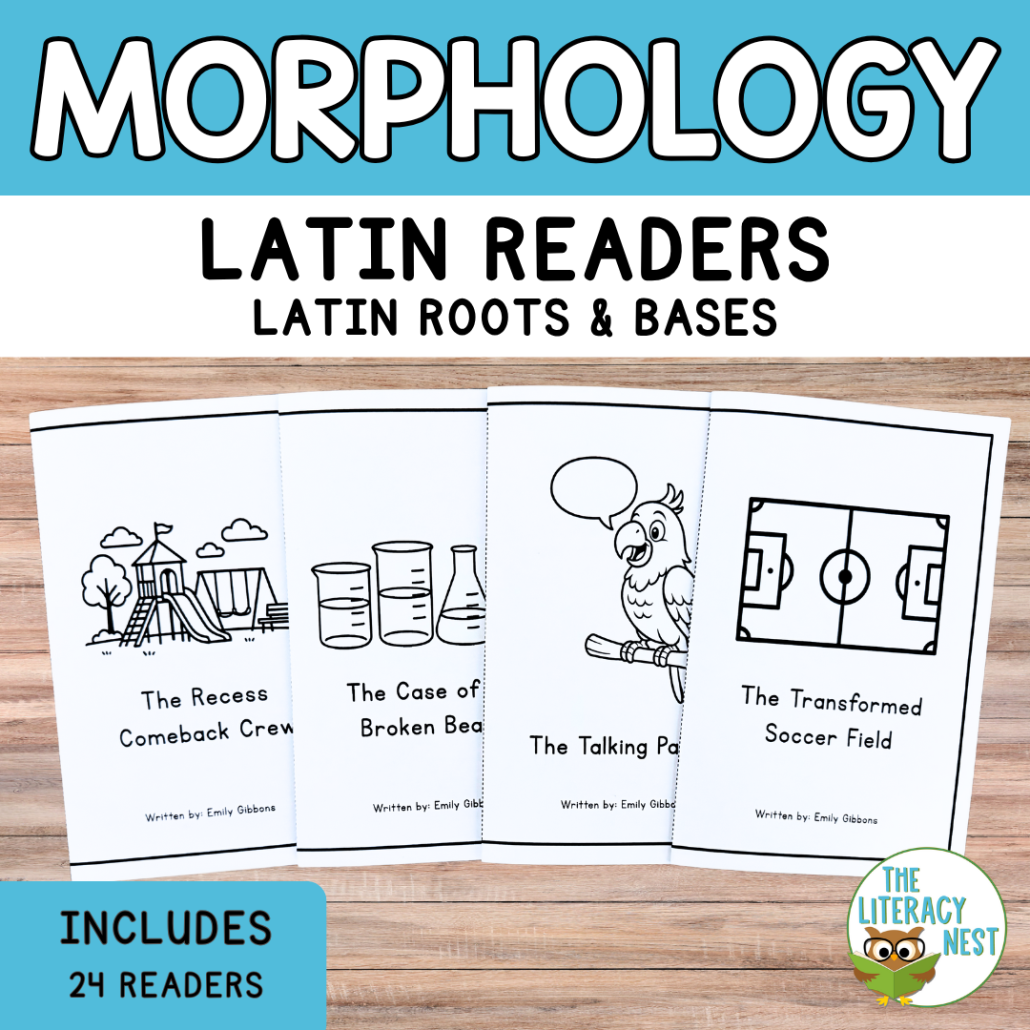
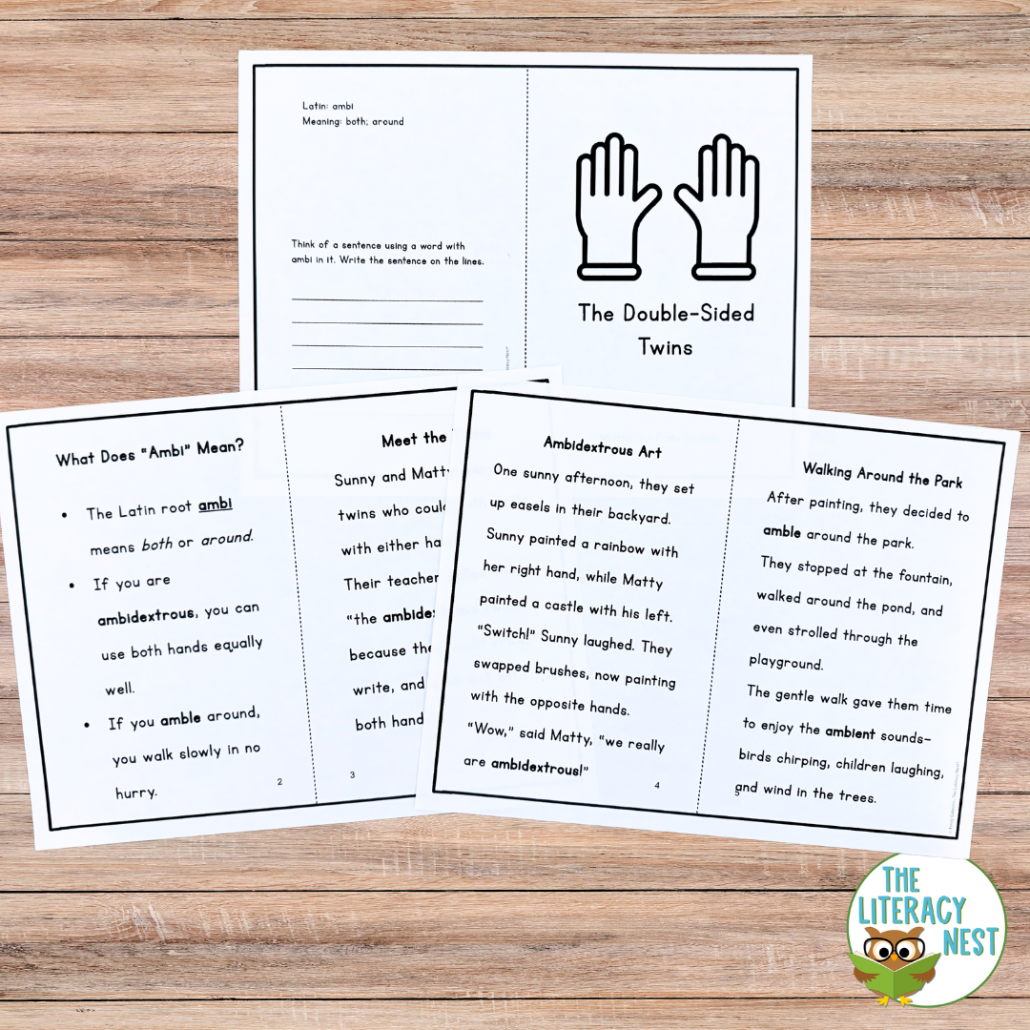
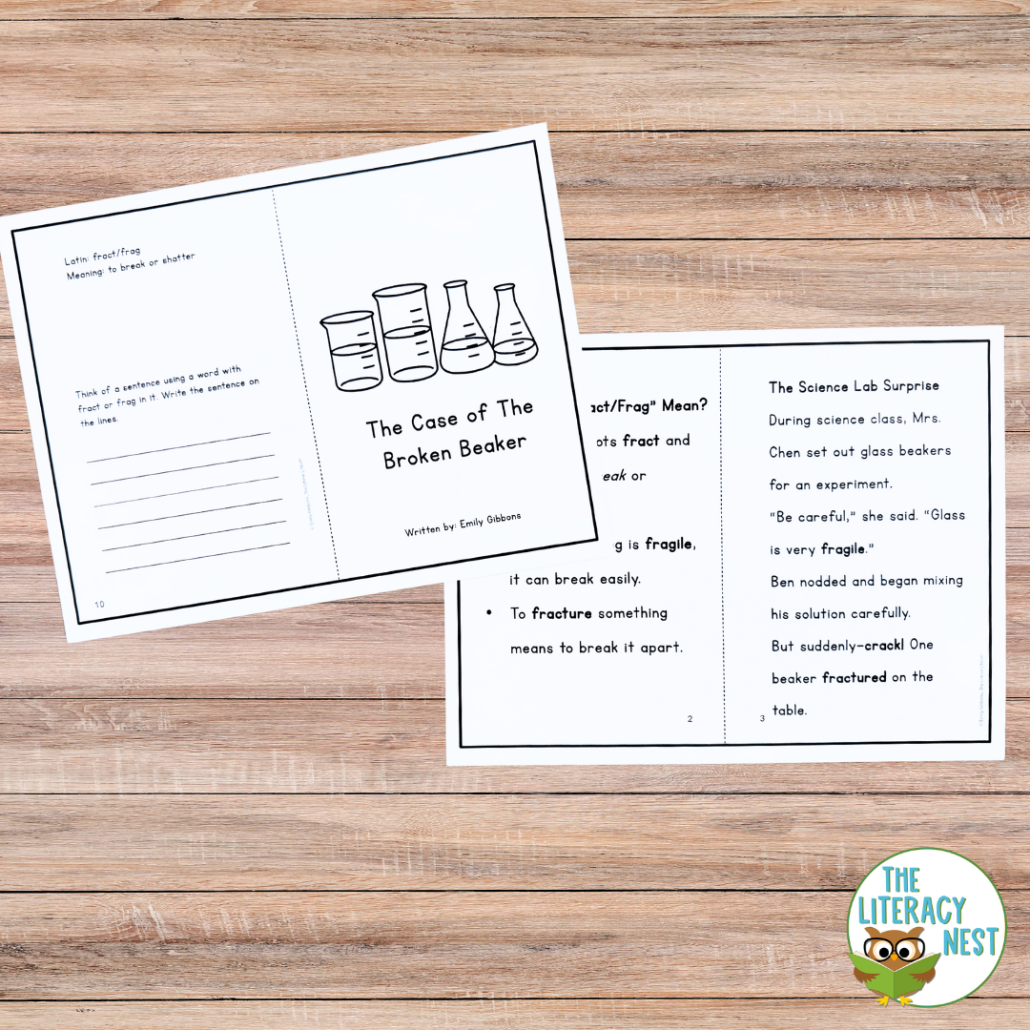
Luckily, there is a 24-book set of Latin Roots Mini Readers specifically created for teaching Latin roots. Each mini reader teaches one root through a simple explanation. Then students read a short nonfiction story with bolded examples, real-life connections, and a predictable routine that helps the root stick. Everything is written so teachers can fit it easily into an Orton-Gillingham or Structured Literacy lesson without extra prep.
Why Teachers Introduce Latin Roots Early
Teaching Latin roots early is very effective. When a child learns one Latin base, they gain access to dozens of related words. This is especially helpful for students with dyslexia, who benefit from meaningful connections rather than memorizing long lists.
As students strengthen their root knowledge, their comprehension grows across every subject area. Students begin to use context clues and their growing vocabulary knowledge to make sense of unfamiliar words. Consequently, students will have a powerful tool for independent reading.
Making Latin Roots Accessible for Young Readers
Younger learners need materials that are supportive and developmentally appropriate. Many existing resources feel too long or too text-heavy. This can discourage students, making the resources hard to use during quick lessons or intervention blocks.
This is why the Latin Roots Mini Readers follow such a clear and predictable format. Each book includes:
- a short definition
- a relatable nonfiction story
- a root review page
- a “Did You Know?” fact section
- and a simple “Your Turn!” activity
Students see the root multiple times in meaningful ways, which helps it stick. Teachers love that the stories are short enough to fit into a small-group lesson but interesting enough that students want to reread them. They’re also easy to store, organize, and return to throughout the year.
A Simple Routine Teachers Can Use
Teachers often follow a routine that works beautifully with the mini readers. They start by briefly introducing the root and sharing a few examples. Then they read the mini reader together or in small groups. Thankfully, the passages are short, so students can focus on the meaning without feeling overwhelmed.
After reading, teachers look at the Root Review page and the “Did You Know?” section with their students. These sections reinforce the meaning and add interesting background knowledge. Students then complete the “Your Turn!” activity, usually writing, drawing, or labeling, so they can apply the root in a hands-on way. This step is small but powerful for retention.
This routine fits well into centers, morning warm-ups, small-group reading, or intervention. Over time, students begin spotting roots in every subject and in real-world vocabulary.
What’s Included in the Latin Roots Mini Readers
Inside the full set, teachers will find 24 nonfiction mini books focusing on high-utility Latin roots. For example, roots such as aqua, aud, cred, fract/frag, port, scrib/script, vid/vis, tract, and many more. The predictable pattern makes them easy for students to use independently. Teachers can even create a classroom “root library” to help students revisit each base as needed.
The stories build confidence while giving students an age-appropriate introduction to morphology. Once printed and assembled, students love collecting them and rereading favorites.
Bringing It All Together
Latin roots give teachers one of the most effective tools for building reading skills. They support decoding, expand vocabulary, and deepen comprehension in a way that lasts for years. The Latin Roots Mini Readers make this instruction engaging, simple to teach, and especially helpful for students with dyslexia or language-based learning differences.
Teachers looking to extend their morphology tools can explore even more resources from The Literacy Nest. They can also try the Word List Builder desktop app. The app includes a free 14-day trial when signing up for a monthly or annual plan. There is also a step-by-step video that explains exactly how the tool works. For more support, teachers can download a free morphology games sampler or watch videos about using controlled text to build morphological awareness.
For teachers ready to help students build vocabulary that truly sticks, the full set of Latin Roots Mini Readers is a powerful and classroom-friendly place to start.
Grab the Free Morphology Ladder Framework
If morphology instruction has ever felt a little scattered or hard to sequence, I created something to help.
My free Morphology Ladder Framework gives you a practical K-8 roadmap for how morphology can build over time. It is designed to help you understand what to teach, when to teach it, and how to think about the progression in a way that actually makes sense.
Inside, you’ll get:
- a practical overview of morphology development from Kindergarten through Grade 8
- a ladder framework to help you match instruction to student readiness
- guidance for thinking through what comes next
- a simple way to bring more clarity to your morphology instruction
If you want morphology to feel less random and more intentional, this framework is a great place to start.
And once you opt in, I’ll also walk you through more practical ideas for using the ladder, choosing the right starting point, and thinking about resources that support each stage.