How to Lead Morphology Games in Small Groups
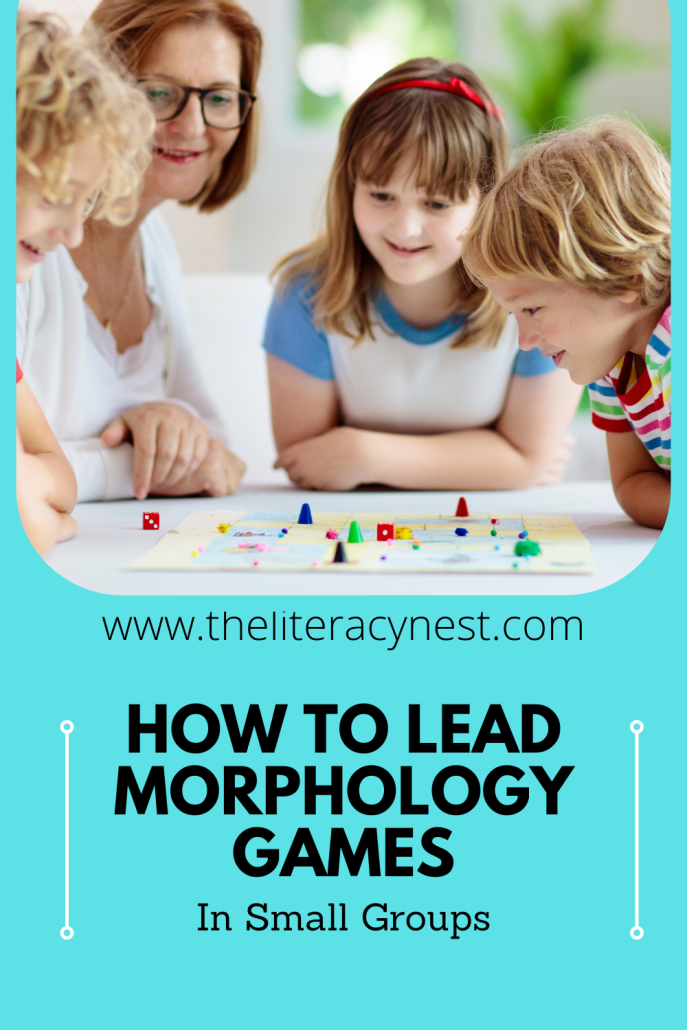
Morphology games are a powerful way to help students understand prefixes, suffixes, and Greek and Latin roots. When these games are used in small groups, they become even more effective. With teacher guidance, students stay focused, practice academic language, and build vocabulary in a meaningful way. Luckily, there are morphology games from The Literacy Nest. These games are engaging, easy to implement, and aligned with evidence-based word study practices. With the right structure, these games turn small group time into purposeful morphology instruction.
#1 Set the Stage
Small groups work best when they are kept manageable. Gathering three to five students at a table or on the carpet allows for discussion while keeping everyone involved. Having materials prepared ahead of time helps the lesson run smoothly. Laminated cards, game boards, and dry-erase markers are helpful for repeated use.
Teachers wanting ready-to-use resources should explore the Morphology Games Bundle. This includes 54 games targeting prefixes, suffixes, and Latin roots. These games are designed specifically for small groups and center use, making prep simple and instruction consistent.
#2 Preview the Concept
Before starting a game, it is important to activate prior knowledge. The teacher can briefly review the morphemes students will practice that day. Writing them on a whiteboard or displaying a reference chart helps students stay grounded during the activity.
For teachers who want more background or lesson ideas, this post on teaching Latin roots provides helpful explanations and classroom strategies that support morphology instruction across grade levels.
#3 Explain the Morphology Games
Clear directions are key. The teacher should explain the game rules and model a quick example round before students begin playing. Modeling helps reduce confusion and gives students confidence. When students know exactly what to do, they are more likely to stay engaged and focused on the learning goal.
#4 Lead the Game with Purpose
During gameplay, the teacher guides each turn. Cards can be read aloud, and students can be asked to explain meanings, identify morphemes, or use words in sentences. When students struggle, peers can help, which encourages collaboration and discussion.
To keep everyone involved, teachers can assign small roles, such as card flipper or scorekeeper. This structure works especially well with morphology games that require repeated practice.
#5 Keep Learning Interactive
Engagement matters. Moving game pieces, earning points, or giving quick praise helps students stay motivated. Celebrating effort and progress reinforces positive learning behaviors.
Teachers who want to add variety can download free morphology games offered by The Literacy Nest. These free resources are a great way to try new games or introduce morphology instruction without extra prep.
#6 Provide Immediate Feedback
Small groups allow teachers to give feedback right away. When a misconception appears, it can be addressed in the moment. This helps students make accurate connections between word parts and meanings, which strengthens vocabulary development.
#7 Reflect on Morphology Games
At the end of the session, a brief reflection helps solidify learning. Teachers can ask students to share a new word they learned or a morpheme they found tricky. These conversations support metacognition and help students think about how words work.
Support Morphology Instruction with Digital Tools
In addition to games, digital tools can support planning and instruction. The Word List Builder app from The Literacy Nest allows teachers to create customized word lists based on roots, prefixes, or suffixes. Teachers can try the desktop app free for 14 days with a monthly or annual plan. A short YouTube tutorial is available to show exactly how the tool works, making it easy to get started.
Meaningful Learning with Morphology Games
Small group morphology games provide a strong opportunity for explicit, engaging instruction. With teacher guidance, these games move beyond fun practice and become meaningful learning experiences. By using high-quality resources, offering feedback, and encouraging discussion, teachers can help students build strong word knowledge that supports reading and comprehension across content areas.